
The FBI Raid on the Fulton County Elections Hub is a signal of what’s to come
Trump is laying the groundwork to interfere in Georgia and across the country in 2026 midterms and the 2028 presidential election.


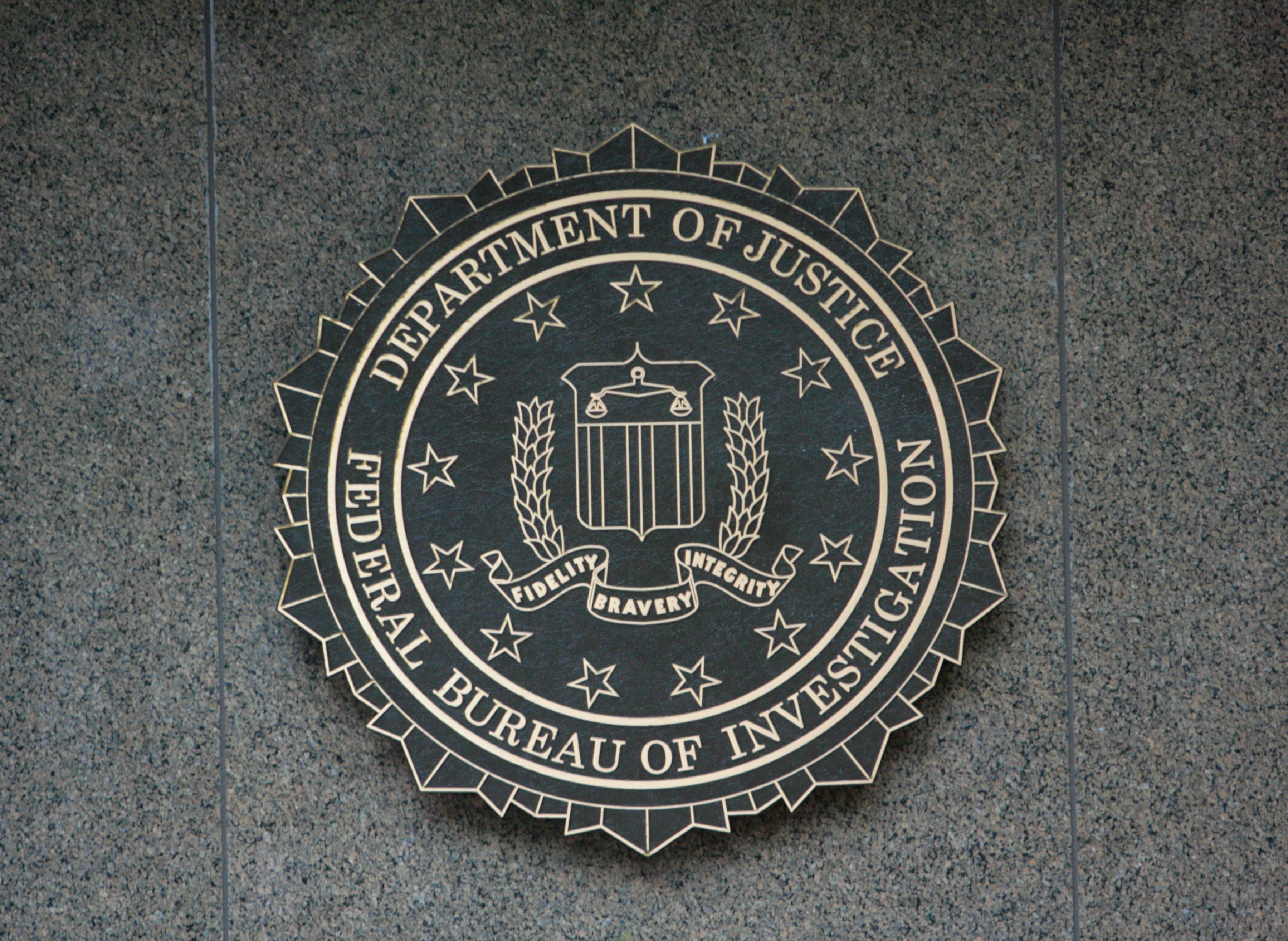
Last week, federal agents executed a court-authorized search at the Fulton County Elections Hub and Operation Center in Georgia. New images are coming out everyday of FBI trucks hauling hundreds of boxes of election materials, including physical ballots, tabulator tapes, ballot images, and voter rolls from the 2020 election.
If you are familiar with Fulton County, Georgia, this moment shouldn’t come as a surprise. The county is a bright blue spot on Georgia’s political map, covering much of Atlanta – which is known as the Black Mecca of this country. It has also been a fixation of Donald Trump’s years-long effort to sow doubts about the 2020 election.
The raid, carried out on January 28, 2026, was authorized by a magistrate judge and involved a sealed criminal search warrant that sought extensive records tied to the 2020 presidential election. In fact, Trump was on the phone with the FBI agents who searched the office.
But while the president is already alluding to vague new information from these raids about the “stolen 2020 election,” the truth is this isn’t just about feeding Trump’s ego over a bygone race.
It is about manufacturing chaos, eroding trust in democracy, and laying the groundwork to interfere in Georgia and across the country before the decisive 2026 midterms and the 2028 election.
What We Know So Far
On February 2, Donald Trump appeared on former Deputy FBI Director Dan Bongino’s podcast and stated, “The Republicans ought to nationalize the voting.” This came on the heels of federal agents descending on a central county election facility, commanded by a sealed warrant, which seized roughly 700 boxes of election materials. Many of these documents have long been under court seal due to ongoing litigation over access to the ballots.
Local officials, including the Fulton County Board of Commissioners, expressed alarm at not knowing where the records are now, how they will be handled, or who will ultimately have access to them once they are out of county control.
While the FBI described the action simply as a court-authorized search, critics have raised questions about the involvement of federal leadership typically not associated with domestic criminal investigations. Reports indicate unusual involvement by officials from outside Georgia and raised eyebrows by national lawmakers.
Why This Matters Beyond 2020
It’s no secret Trump believes he won Georgia in 2020, but it’s important to be clear about two facts:
The 2020 presidential election results in Georgia have been repeatedly audited, recounted, and upheld by courts and independent authorities.
There is still no verified evidence nationwide of the kind of widespread fraud that would have changed the outcome in 2020.
Yet the optics of this raid feed into a well-worn narrative used to justify drastic actions against local election infrastructure. In a moment when Georgia and the rest of the country are gearing up for crucial elections in 2026 and 2028, it is legitimate to ask:
Who is directing these actions, and to what end?
This is not partisan cynicism. It is a sober look at how law enforcement and legal authority can be wielded, intentionally or not, as leverage in political battles. When federal agents, equipped with sealed warrants and a heavy enforcement presence, show up at local election facilities without transparency, the effect is to erode public confidence in the very systems that underpin free and fair elections.
Why are election officials being treated as targets rather than allies?
Fulton County’s election workers are professionals whose job is to administer elections with integrity, not to be cast as villains in political narratives. Years of politically motivated attacks and misinformation campaigns have already placed unnecessary pressure on local election administrators. The raid escalates that situation.
Using law enforcement as a tool, or even the appearance of a tool, to pressure election officials or to sow doubt about electoral infrastructure weakens trust in democratic institutions. That trust is already fragile in many communities. It is our collective responsibility to protect it.
What does this say about 2026 and 2028?
Let’s be honest: the headlines are anchored in 2020, but the implications stretch far forward. Actions like these come at a time when state and local officials are determining how elections will be run in future cycles. When federal investigations lack transparency and local leaders are left in the dark, it raises serious questions about equity and fairness in election administration.
Threats to democracy are not always overt. Sometimes they come in the form of ambiguity, secrecy, and blurring the lines between accountability and intimidation.
Here’s What Comes Next
Fulton County officials are now planning to sue the Trump administration in response to the raid, arguing the federal government overstepped by seizing sensitive election materials. The legal fight could determine what happens to the records taken and set a dangerous precedent for how election administration is treated heading into 2026 and 2028.
The integrity of our future elections depends on this. Not on reopening old debates, but on safeguarding electoral institutions for the challenges ahead. If you are alarmed by what is happening in Georgia, do not look away.
 | A guest post by
|